
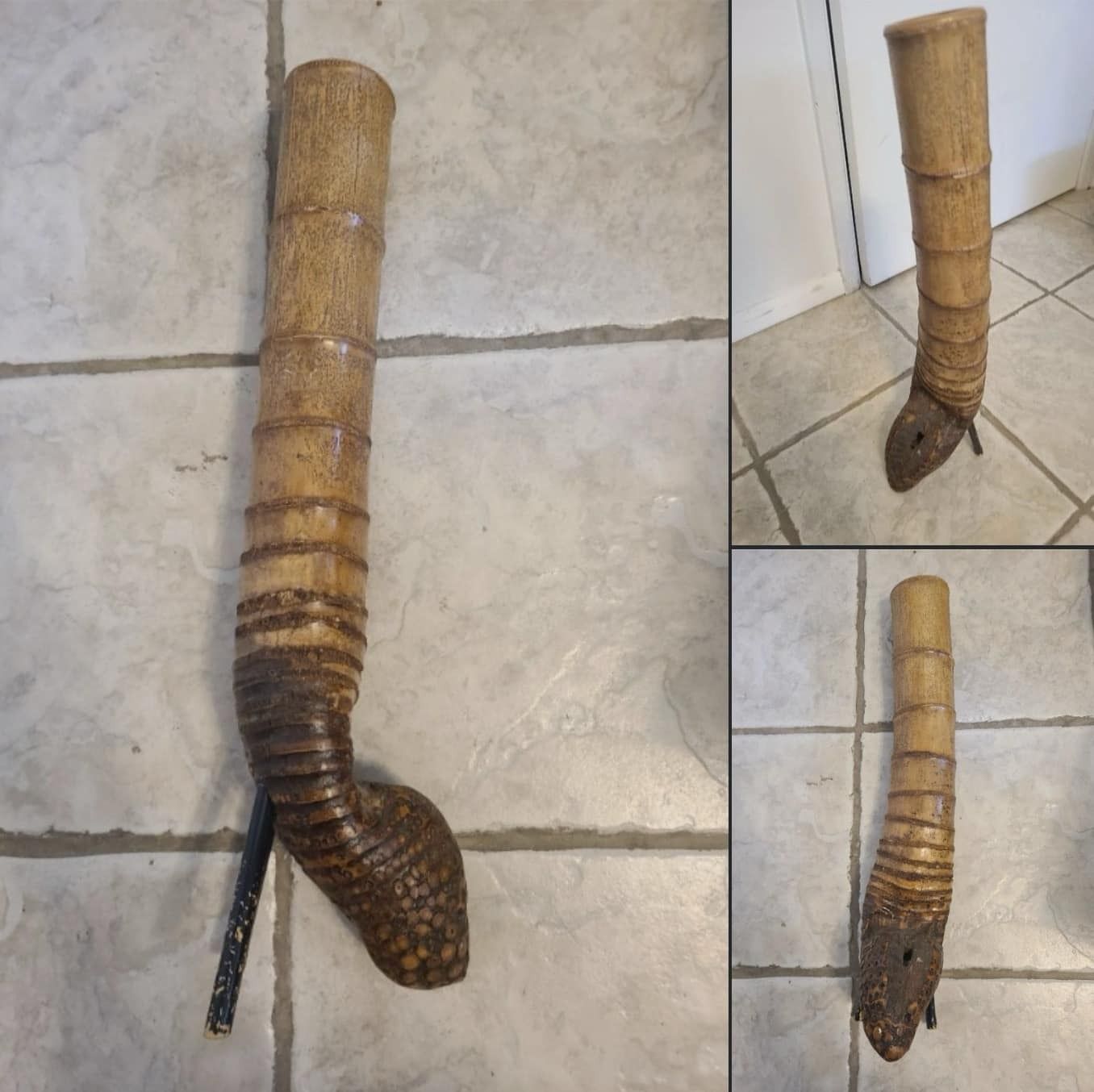
Recuerdos de verano en el patio trasero de la abuela
¿Recuerdas esos interminables días de verano de la infancia? ¿De esos en los que el tiempo parecía ilimitado y la aventura estaba a un paso? Para mí, todo se remonta al jardín de mi abuela: sin aire acondicionado, sudor pegado a todo y alguna que otra abeja ahuyentándome de nuestra "obra".
No solo estábamos cavando hoyos; buscábamos tesoros. Entre todas las cosas extrañas que desenterramos —una cuchara oxidada, una canica, una cabeza de muñeca espeluznante—, ¿el verdadero premio? Rizomas de bambú.
Puede sonar dramático, pero cualquiera que haya intentado hacer una caña de pescar con un tallo de bambú sabe la verdad. El bambú era oro: flexible, fuerte y mágico. Y el secreto estaba bajo tierra: el rizoma, una raíz gruesa y retorcida que lo mantenía todo unido.
The History of Bamboo Rhizomes
Bamboo rhizomes carry a legacy far older than backyard adventures. Across many Asian cultures, these roots were lifelines. Villagers used them to craft farming tools, musical instruments, furniture, and everyday utensils.
These underground stems were tough, durable, and reliable. Generations cut, sanded, and shaped them into items that lasted decades. Invisible beneath the soil, yet influencing everything above it, bamboo rhizomes were both functional and artistic.
Tools from the Earth
Every household once relied on bamboo toolkits. These were not disposable gadgets—they were crafted with care, precision, and wisdom passed down through generations. No two pieces were alike; each reflected the unique curves and patterns of the rhizome. Function and beauty went hand in hand.
